How To Grow A
Pineapples are delicious and refreshing fruits that can be grown in a variety of climates. If you're looking to grow your own pineapple, here are a few tips:
- Start with a healthy pineapple top. The top should be at least 2 inches long and have at least 5 leaves.
- Remove the bottom leaves of the top. This will help the top to root more easily.
- Let the top dry for a few days. This will help to prevent rot.
- Plant the top in a pot of well-draining soil.
- Water the top regularly, but don't overwater it.
- Place the pot in a sunny spot.
- Be patient! It can take up to a year for a pineapple top to grow roots and start to produce fruit.
Once your pineapple plant has started to grow, you can fertilize it every month with a balanced fertilizer. You can also prune the plant to encourage new growth.
Once your pineapple plant has produced fruit, it will take about 6 months for the fruit to ripen. When the fruit is ripe, it will be yellow and the leaves will start to turn brown.
To harvest your pineapple, cut it off the plant with a sharp knife. Then, remove the leaves and enjoy your delicious, homegrown pineapple!
Here are some additional tips for growing pineapples:
- If you live in a warm climate, you can plant your pineapple plant directly in the ground. Just make sure to choose a spot that gets full sun and has well-draining soil.
- If you live in a cooler climate, you can grow your pineapple plant indoors in a pot. Just make sure to keep the plant in a warm spot and provide it with plenty of sunlight.
- Pineapple plants are susceptible to mealybugs and scale insects. If you see any pests on your plant, treat them with an insecticidal soap or neem oil.
- With a little care and attention, you can easily grow your own pineapple plant at home. So what are you waiting for? Start growing today!
visit Home Gardening for more information
FAQ of jasmine shrub
- What is the best time to plant jasmine shrub?
The best time to plant jasmine shrub is in the spring or fall, when the weather is mild. If you live in a warm climate, you can plant jasmine shrub in the summer.
- How much sun does jasmine shrub need?
Jasmine shrub needs full sun to partial shade. If you live in a hot climate, you may want to plant jasmine shrub in a spot that gets afternoon shade.
- What type of soil does jasmine shrub need?
Jasmine shrub prefers moist but well-drained soil. The soil should be rich in organic matter.
- How much water does jasmine shrub need?
Jasmine shrub needs regular watering, especially during the first year after planting. Once the plant is established, it can tolerate some drought.
- How do I fertilize jasmine shrub?
Jasmine shrub should be fertilized once a month during the growing season with a balanced fertilizer. In the fall, you can apply a layer of compost around the plant to help it overwinter.
- How do I prune jasmine shrub?
Jasmine shrub should be pruned in the spring to remove dead or damaged branches. You can also prune jasmine shrub to shape it or to encourage more flowers.
- How do I protect jasmine shrub from pests and diseases?
Jasmine shrub is relatively pest- and disease-free. However, it can be susceptible to scale, mealybugs, and aphids. If you see any pests on your jasmine shrub, you can treat them with insecticidal soap or neem oil.
- How do I propagate jasmine shrub?
Jasmine shrub can be propagated by cuttings. Take 6-inch cuttings from healthy, mature stems in the spring or summer. Dip the cuttings in rooting hormone and plant them in a well-draining potting mix. Keep the cuttings moist and in a warm place. They should root in about 4-6 weeks.
Image of jasmine shrub
10 different images of jasmine shrub that are free to use:
- Common jasmine (Jasminum officinale) is a large deciduous or semi-evergreen vining shrub that has a graceful look and a very appealing sweet scent.
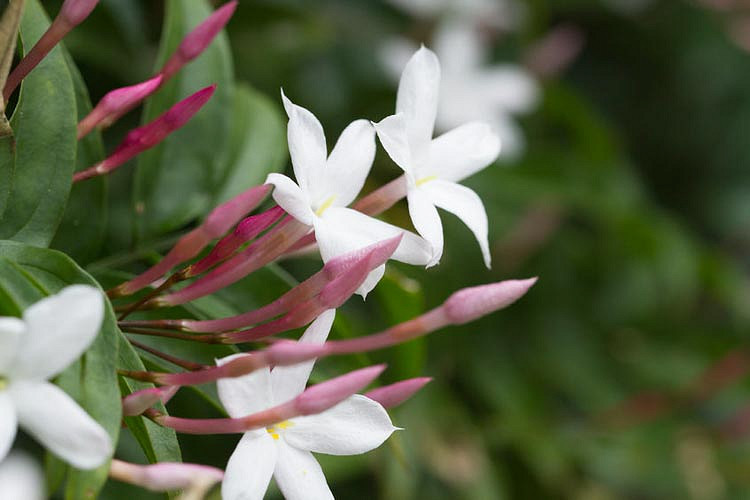
- Spanish jasmine (Jasminum grandiflorum) is a tropical evergreen shrub that is known for its large, fragrant white flowers.

- Star jasmine (Trachelospermum jasminoides) is a semi-evergreen vining shrub that is native to China. It has small, white flowers that have a sweet fragrance.
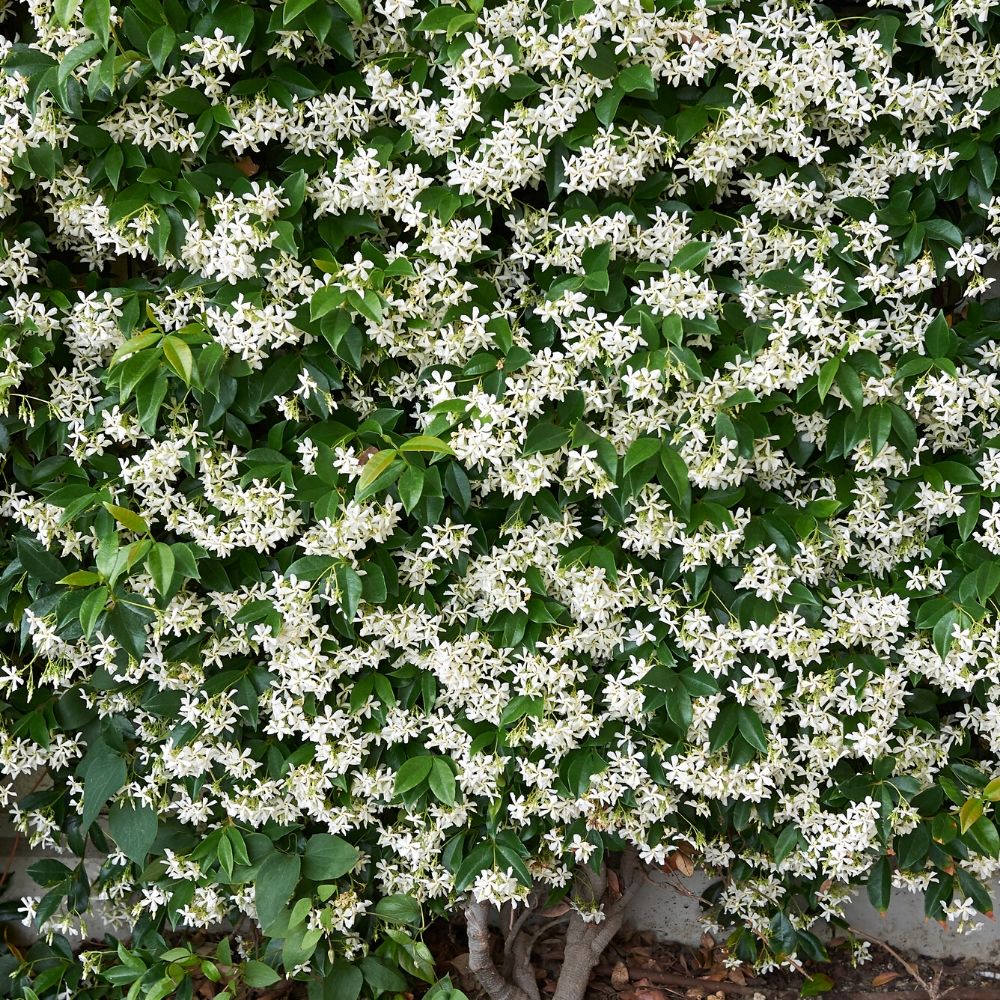
- Arabian jasmine (Jasminum sambac) is a tropical evergreen shrub that is known for its white, star-shaped flowers that have a sweet fragrance.
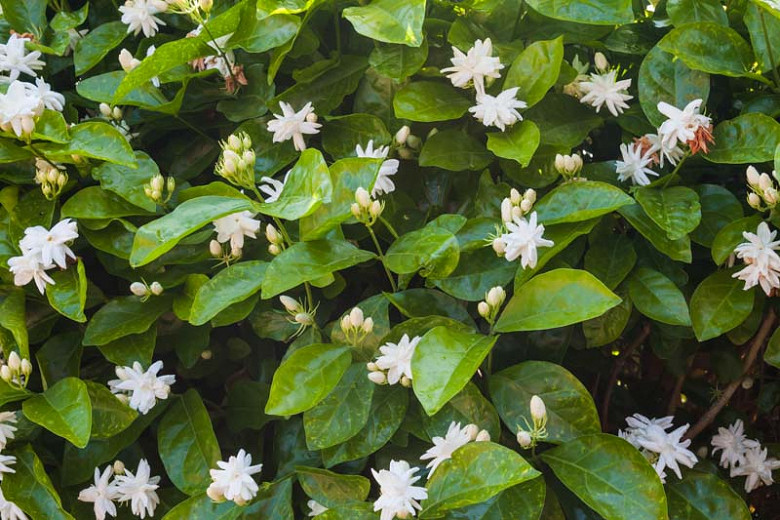
- Pink jasmine (Jasminum polyanthum) is a tropical evergreen shrub that is known for its pink, star-shaped flowers that have a sweet fragrance.
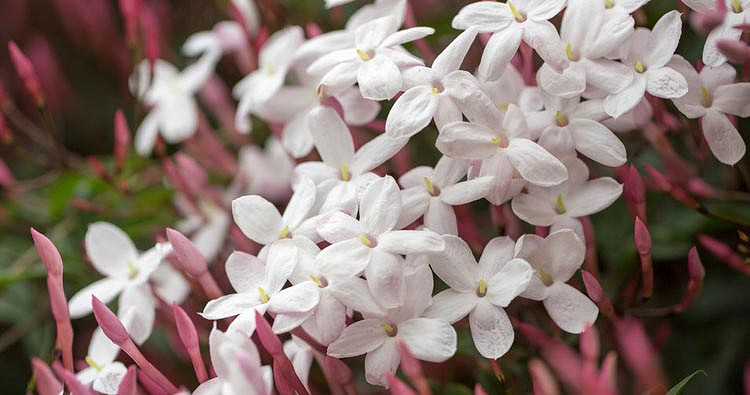
- Winter jasmine (Jasminum nudiflorum) is a deciduous shrub that is known for its yellow flowers that bloom in winter.
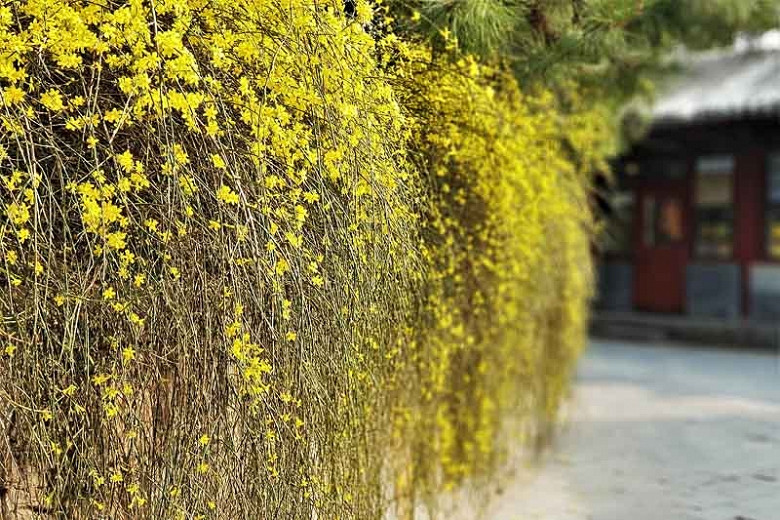
- Golden shower jasmine (Jasminum nitidum) is a tropical evergreen shrub that is known for its golden yellow flowers that bloom in spring.

- Cape jasmine (Gardenia jasminoides) is a tropical evergreen shrub that is known for its white, fragrant flowers.
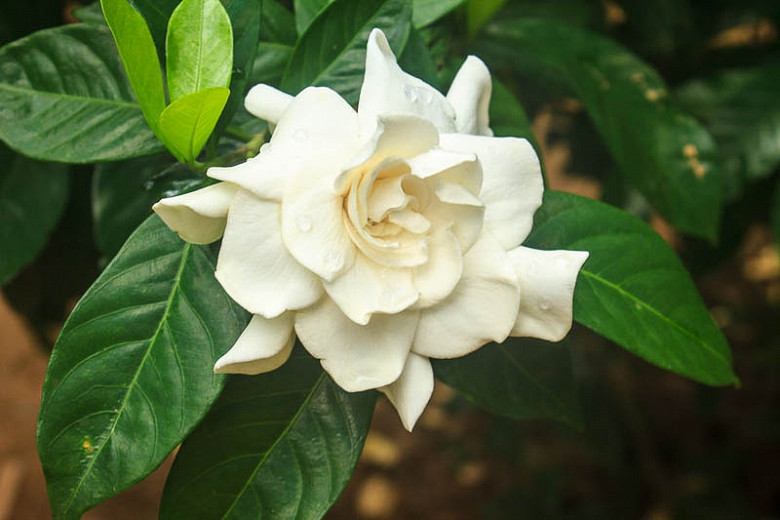
- Indian jasmine (Jasminum auriculatum) is a tropical evergreen shrub that is known for its yellow, fragrant flowers.

- Mediterranean jasmine (Jasminum humile) is a deciduous shrub that is native to the Mediterranean region. It has small, white flowers that have a sweet fragrance.


Post a Comment for "How To Grow A"